RFID hard Tags from leading RFID tag manufacturers including HID Global, Confidex Beontag & Xerafy RFID tags
Full range of Imping RAIN UHF RFID Fixed-mount Readers
A full range of RFID Antennas from leading RFID Antenna manufacturers
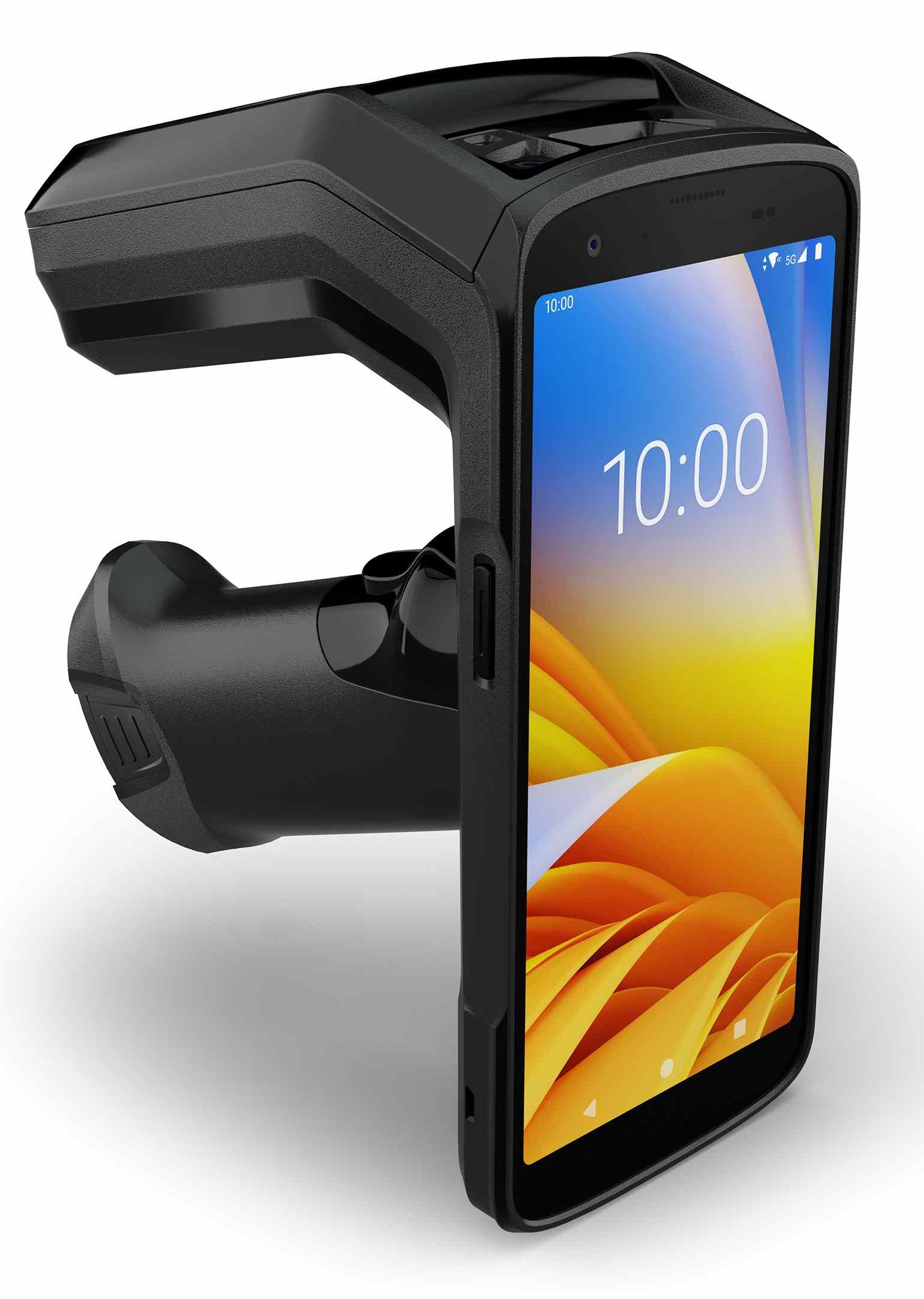
Select from a vast range of Handheld Mobile & Fixed-Mount RFID Readers
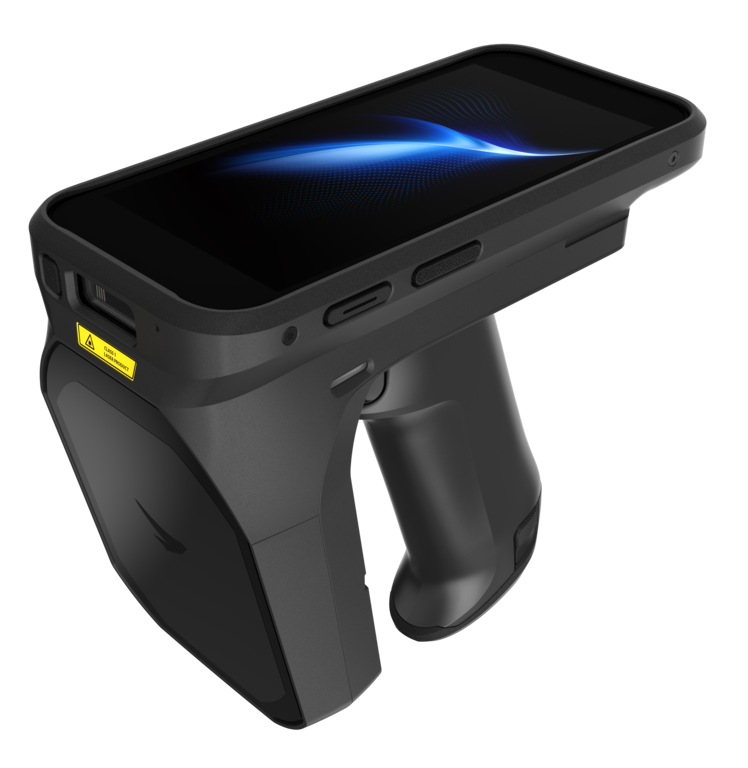
Excellent range of TSC Bluebird UHF RFID Mobile Readers & TSC Bluebird UHF RFID Tablet Readers
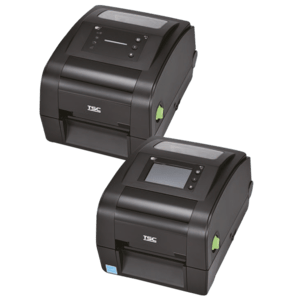
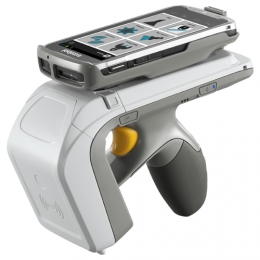
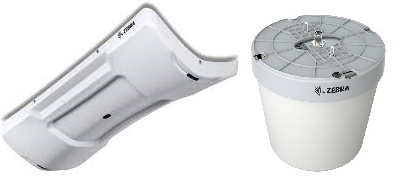
Zebra RAIN UHF RFID Encoder Printers and RFID Fixed-Mount & Mobile Readers and UHF RFID Antennas as well as a range of UHF RFID tag and RFID asset labels
Barcode & RFID Asset Tracking in real-time Tracking Solutions
Confidex Beontag offers a wide range of RAIN UHF RFID Tags & RFID Labels from industrial RFID tags to On-Metal options such as Ironside Slim & Silverline series to UHF RFID Labels
Welcome
Welcome to RFID Technologies – A Division of Barcode Technologies Ltd
RFID Technologies – www.rfid-uk.com, part of Barcode Technologies Ltd – www.barcode-uk.com, is the UK’s leading provider of RFID and Barcode data capture solutions. We specialise in delivering cutting-edge Auto ID and mobile computing solutions with a comprehensive range of RFID and Barcode hardware and software. designed to meet all your automatic identification, real-time data management, and operational efficiency needs.
Complete RFID & Barcode Auto ID Solutions offering an extensive range of products including RFID Mobile Computers and Mobile Handheld devices, Fixed-Mount RFID Readers, RFID Printers, RFID Antennas and RFID Cables, RFID ID Card Printers & Encoders and RFID Tags, RFID Labels and RFID Consumables.
We aim to offer our customers best value and prices, with fast delivery with same day shipping and easy to use website.
Each health authority creates its own regulations that define UDI and the UDI System, but some parameters have been globally harmonized by the International Medical Device Regulatory Forum (IMDRF) and the standards organizations identified as Issuing Agencies (e.g., GS1, HIBCC, ICCBBA). Some of the common features are below....
RFID, Links & Quotes, News, Technology
18 Feb 2026
Impinj Gen2X is an advanced, standards-compatible enhancement to the RAIN RFID (GS1 UHF Gen2) standard that improves tag read range, increases inventory speed, boosts security, and lowers overall solution costs. Developed by Impinj, it is designed for challenging environments in retail, logistics, and manufacturing, allowing for faster, more accurate, and secure tracking of items. Gen2X is built into tags using the Impinj M800 series endpoint ICs and supported by a wide range.
Main Features and benefits of Gen2X RFID include:
Improved Performance: Offers extended tag read ranges and faster inventory counting, reducing labor costs.
Enhanced Reliability: Better readability for small, embedded, or hard-to-read items (e.g., in cosmetics, food) and improved resistance to electromagnetic interference.
Increased Security: Features like Impinj Endpoint IC Verification help detect counterfeits, and "Protected Mode" enhances consumer privacy by hiding tags until authorized.
Operational Efficiency: Minimizes stray reads at retail self-checkouts and improves accuracy at dock doors, preventing mis-shipments.
Compatibility: Fully backward compatible with existing GS1 UHF Gen2 and ISO/IEC 18000-63 standards.
...
RFID, Links & Quotes, News, Technology
18 Feb 2026
How to Select the correct UHF RFID tag label requires analysing the object's material (metal vs. non-metal), required read range (up to 10+ meters), environmental conditions, and regional frequency (FCC 902-928 MHz or ETSI 865-868 MHz). Passive UHF tags are preferred for long-range, high-volume, and durable digital identification in logistics, retail, and asset tracking.
Main RFID UHF Tag Selection Factors:
Materials and Environment (Surface Interference):
On-Metal: Use specialised "on-metal" or "mount-on-metal" tags, which utilise the metal surface as an antenna or feature a spacer to prevent signal absorption.
Non-Metal/General: Standard UHF paper labels are cost-effective for cardboard, plastic, and general merchandise.
Harsh Environments: Select ruggedised tags (IP-rated, high-temperature resistant, chemical-resistant) for outdoor, industrial, or washing applications.
RFID Reading Distance and Performance:
UHF passive tags offer long-range reading (typically 5–10+ meters).
Larger tags generally provide longer read ranges, while smaller tags are limited by antenna size.
Sensitivity: Modern IC Chips like NXP UCODE 9 or Impinj ICs: M730/M750 offer the best reading performance.
RFID UHF Frequency Regions (FCC vs. ETSI):
FCC (North America): 902-928 MHz.
ETSI (Europe): 865-868 MHz.
Note: Ensure the tag is optimised for the region to avoid poor performance.
Application & Durability:
Logistics/Retail: High-volume,, short-term usage, usually printable paper labels.
Asset Tracking/Asset Tracking: Long-term durability, hard tags or durable labels.
Duration: Passive tags have no battery and last until destroyed, while battery-assisted tags (BAP) offer extra range but last 3–5 years.
Digital Identity Functionality:
Tags hold a unique EPC (Electronic Product Code) which enables instant, bulk identification of objects without line-of-sight.
Consider data capacity requirements for on-tag data storage.
Selection Checklist:
RFID Tag Orientation: Will the tag be read from the front, side, or in random orientations? (Affects antenna selection).
RFID Tag Mounting Method: Adhesive, rivets, screws, or zip ties.
RFID Tag Size Constraints: Must fit the physical dimension of the asset.
RFID Tag Tagging Volume: High-volume......